
Here’s a line every SEO should keep on a sticky note: AI can only work with the known. Andre Savoie, who ran a digital marketing agency for 20 years before selling it, passed it on during his Unscripted SEO interview as a point somebody else made to him. It’s the cleanest explanation I’ve heard for why AI-generated content plateaus, and why the writing that ranks for decades doesn’t come out of a prompt.
“The basic issue with AI at this point is that AI can only work with the known.”
Andre Savoie, Unscripted SEO, January 2025
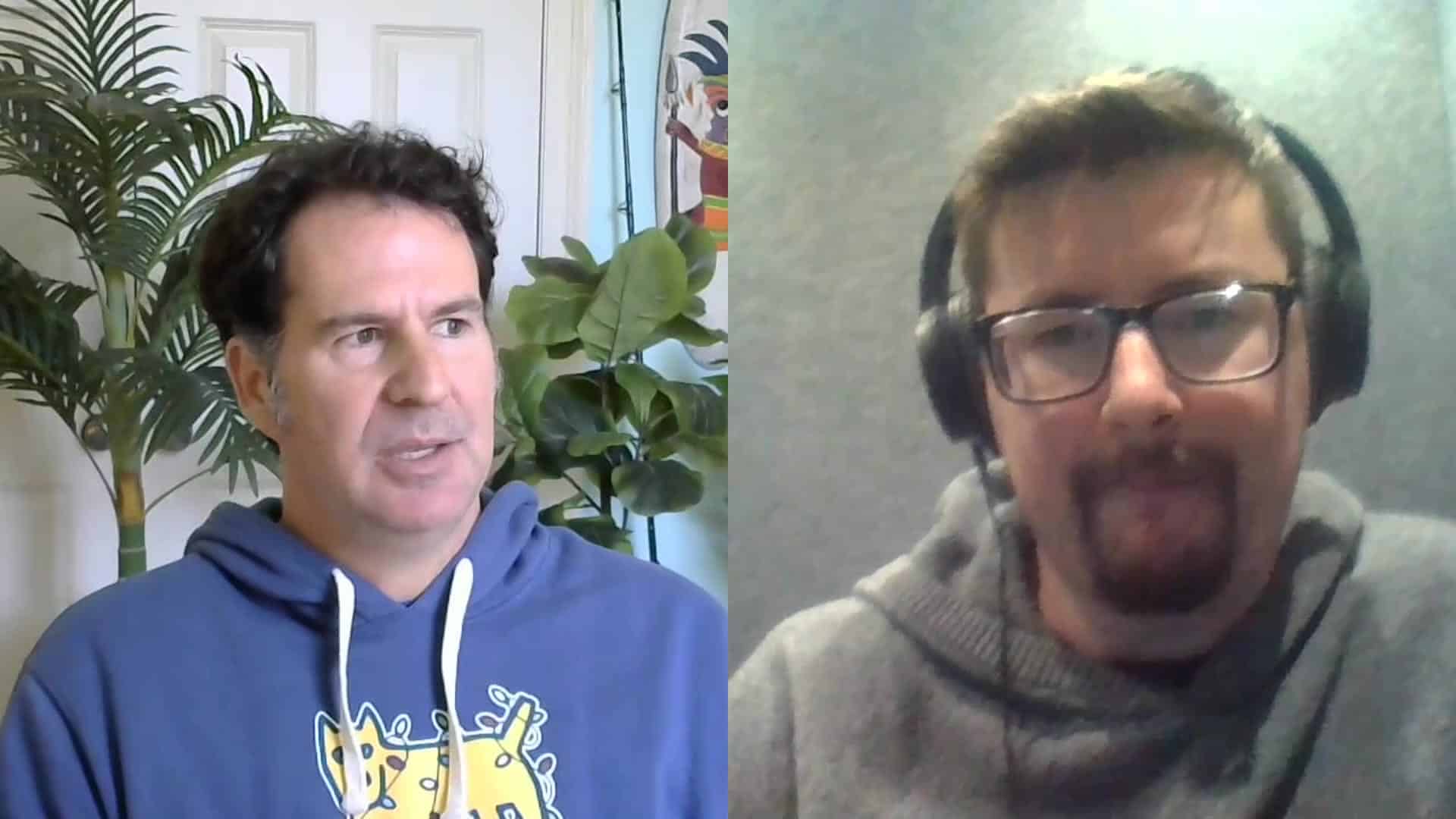
The content that still ranks 20 years later was written like art
Andre started as a writer. The pieces he was most invested in, the ones he treated “like a work of art,” got picked up by Google and started ranking. Clients were amazed. And he says some of that content is still showing up in the top two or three results almost 20 years later.
That’s not a ranking study, it’s one practitioner’s memory of his own pages, so treat it as a story rather than a statistic. But it matches what you’ve probably seen yourself. The pages that last are the ones somebody actually cared about.
Why “only the known” is the ceiling
A language model fetches what already exists and rehashes it, maybe a little better. Andre’s point is that real growth in search comes when someone adds something that isn’t known yet, or is better than what’s there.
“Even back to 20 years ago, the new and the unknown works best.”
Andre Savoie
You can see the same thing from the other direction. If your page says what every other page says, there’s nothing for a search engine, or an AI assistant, to prefer about it. If it carries a client story, a number from your own work, or a mistake you made and fixed, you’ve added something to the known pile. That’s what thought leadership actually is: it comes from the person who’s the expert in that area.
Andre isn’t anti-AI. “I don’t want to sound like a dinosaur and say AI is bad,” he says. It’s a tool to be used in context, with a garbage in, garbage out problem attached. Jeremy’s version of the same lesson goes back to 2009, when his agency wanted content spinners to write realtor pages by swapping “home” for “house.”
Telling clients what not to buy is part of the job
The other half of the episode is aimed at you if you sell SEO. Andre’s strongest skill as an agency owner, by his own account, was explaining what a client needs to do and why, and what they don’t need to do. Owners get pitched constantly: random proposals, the cold call, the SEMrush screen share. Fall for the wrong one, he says, and you can waste thousands of dollars and a year, and undo work that was done correctly.
His fix isn’t more tactics. It’s a better client. Andre built a coaching program that teaches owners to read their agency’s report and ask better questions, and he designed it so agencies could refer struggling clients there without fear of being poached. The reason is practical: when a client walks out confused after three months, they go into the next agency “even more damaged.” The research on why clients actually leave agencies points the same way. It usually isn’t the price.
What to do with this on your own site
Here’s how I’d apply Andre’s line, as judgement rather than data:
- Before you publish, ask what’s on the page that wasn’t on the internet yesterday. If the answer is nothing, it’s a rewrite.
- Interview the subject matter expert. Jeremy’s example on the episode is an arborist in Austin. Their expertise is the part a model can’t fetch.
- Use AI for the parts that are already known: outlines, summaries, cleanup. Keep the new part human.
- If you’re the client, take Andre’s advice and spend an extra half hour understanding what your agency is telling you, ChatGPT included.
The new and the unknown has worked best for 20 years. Andre’s bet is that it always will.
More from this episode
The full conversation, including his dad’s “most expensive in town” construction company and the “are you a bad client?” module, is in the Andre Savoie episode recap. Jeremy’s take for business owners is are you a bad SEO client? For more on vetting help, Stephanie Long covers hiring SEO help vetted by AI, and Tom Malesic explains why your top five clients could leave tomorrow.
Quotes are verbatim from the January 2025 episode transcript. Andre now works as a fractional CMO; find him at andresavoie.com or on LinkedIn.